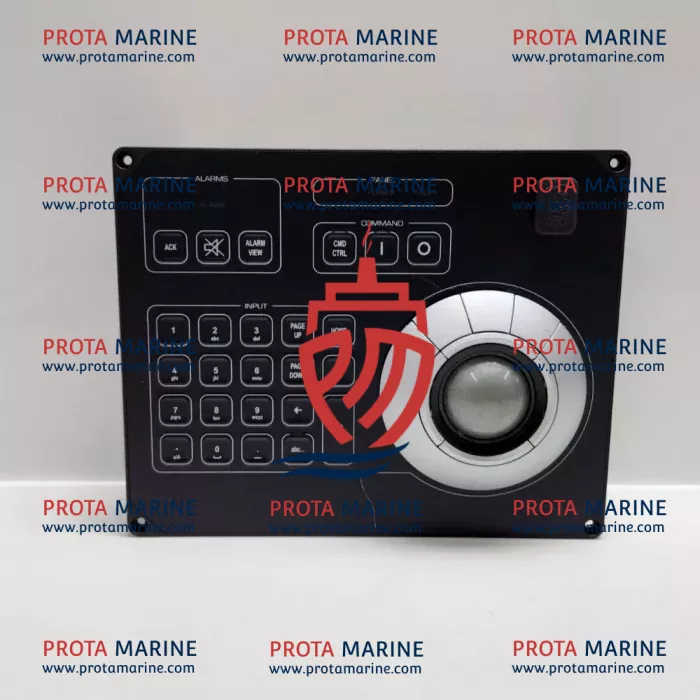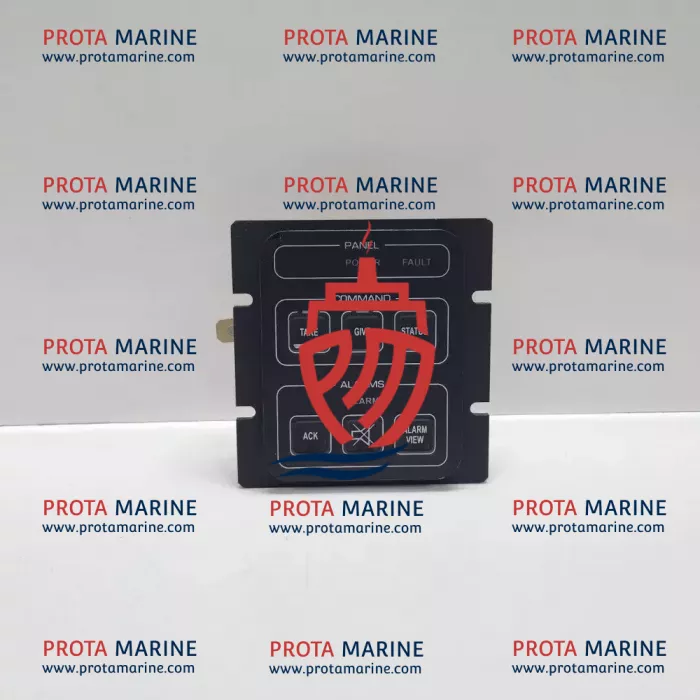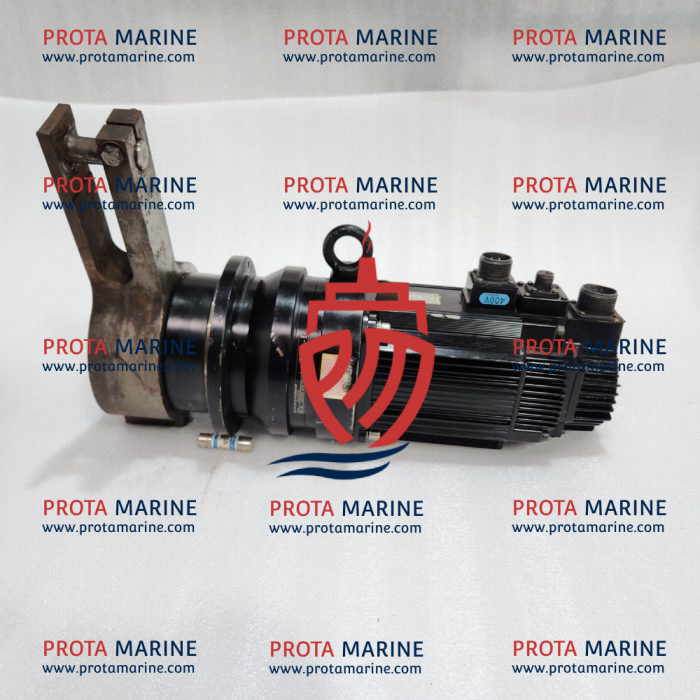

Description
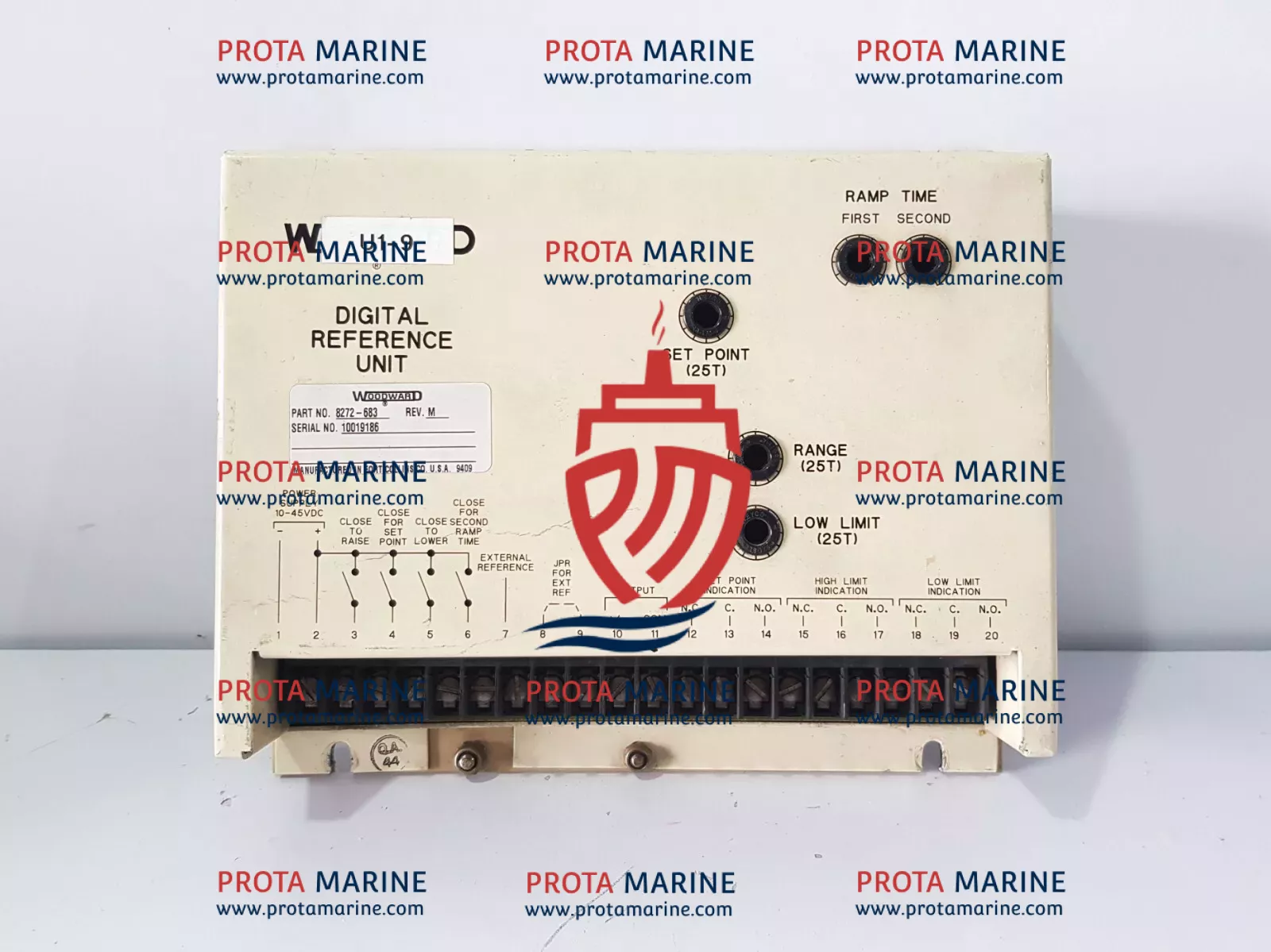
WOODWARD
PART NO: 8272-683
DIGITAL REFERENCE UNIT
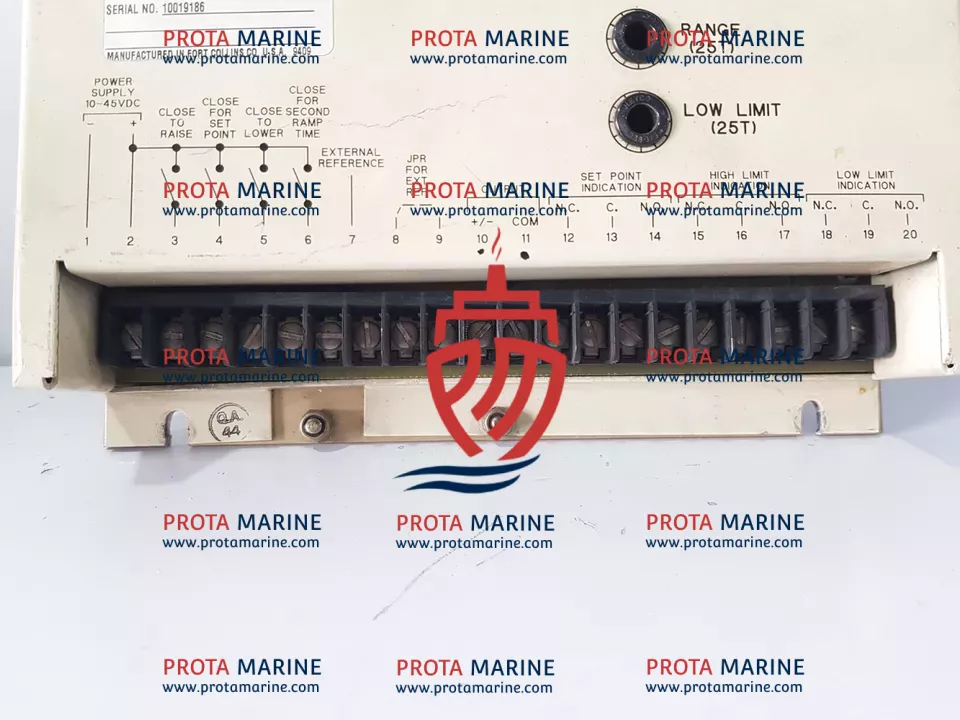
POWER SUPPLY: 10-45VDC
REV: M
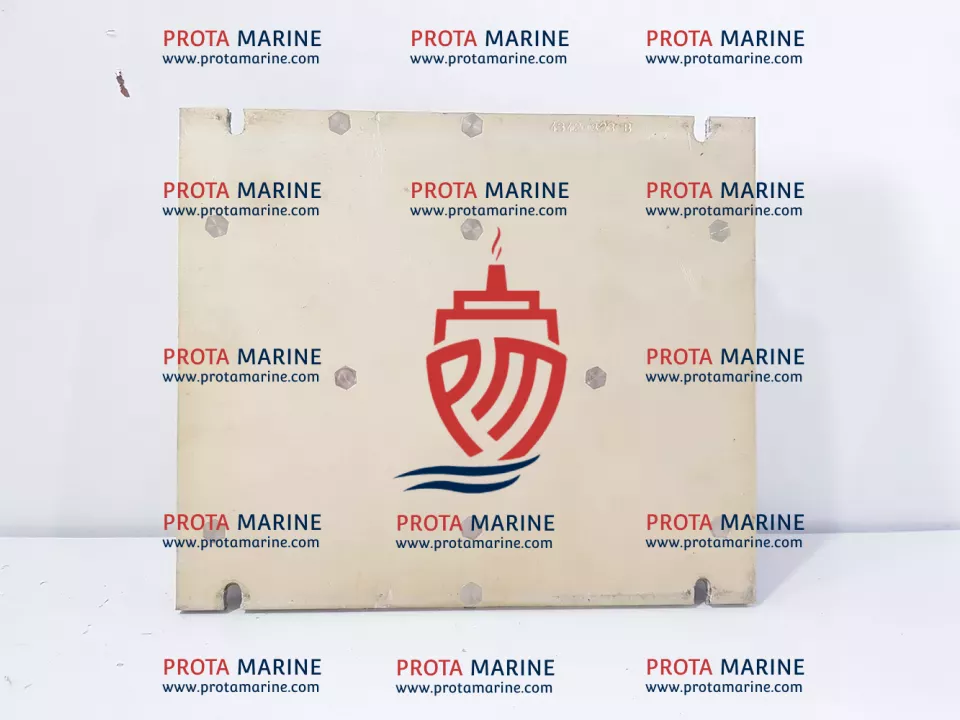
4342-823 B
The Woodward Digital Reference Unit 8272-683 Rev M is a precision control component designed to provide accurate digital reference signals within marine control and engine governing systems. Operating on a wide-range DC power supply of 10–45VDC, this unit is well suited to the demanding and variable power environments found onboard commercial and industrial vessels. As part of a Marine Control System, it plays a critical role in maintaining stable reference outputs that govern the accurate performance of speed, load, and process control loops — directly influencing the reliability of propulsion and auxiliary machinery management.
Key Features
✓ Digital Reference Output: Provides stable, accurate digital reference signals essential for precise control of engine speed, load sharing, or process variables within marine automation systems.
✓ Power Supply Range: Accepts 10–45VDC input, offering compatibility with a broad range of marine DC distribution systems and ensuring reliable operation under fluctuating supply conditions.
✓ Revision M Hardware: Manufactured to Revision M standard (drawing reference 4342-823 B), indicating a mature, field-proven design iteration with documented engineering updates relative to earlier revisions.
✓ System Compatibility: Designed for integration within Woodward governing and control architectures; compatibility with specific panels, controllers, or PLCs is subject to confirmation based on system configuration and software version.
✓ Service & Replacement: Suitable as a direct replacement or spare within existing Woodward-based control installations; correct fitment should be verified against system drawings, nameplate data, and the installed revision level.
Marine Applications
✓ Main Engine Governing: Used within Woodward governor control loops on main propulsion diesel or dual-fuel engines to maintain accurate speed and load references.
✓ Diesel Generator Sets: Supports frequency and load control in shipboard generator governing systems, contributing to stable power generation onboard.
✓ Auxiliary Machinery Control: Applied in auxiliary systems where digital reference signals are required for process or speed regulation, typical on pump drives, compressors, or thruster control systems.
✓ Integrated Bridge & Engine Room Automation: Functions as part of broader automation architecture on vessels with centralised engine room management systems requiring precise control references.
✓ Retrofit & Upgrade Projects: Commonly sourced during control system refits or life-extension projects where original Woodward components require like-for-like replacement to maintain system integrity.
Why Marine Engineers Choose
Woodward is a globally recognised name in precision governing and control technology. The 8272-683 Digital Reference Unit reflects the brand’s commitment to reliable, accurate control performance in harsh marine environments, making it a trusted choice for engineers maintaining Woodward-based systems across a wide range of vessel types and machinery configurations.
Ideal For
Cargo vessels, bulk carriers, tankers, offshore support vessels, ferries, cruise ships, naval auxiliaries, and any commercial or industrial vessel operating Woodward engine governing or marine automation control systems.
Technical Support & Compliance
Technical support is available for remote troubleshooting, onboard diagnostics, testing and commissioning assistance, repair assessment, retrofit integration, and system upgrade guidance related to this unit and the broader Woodward control architecture. Compatibility with a specific installation is subject to confirmation — buyers are advised to share nameplate photographs, the full part number and revision, system drawings or schematics, the governing system model and software version, and where applicable the vessel name, IMO number, and defined scope of supply or replacement. Providing this information at the point of enquiry ensures accurate fitment verification and minimises the risk of incompatibility during installation or commissioning.