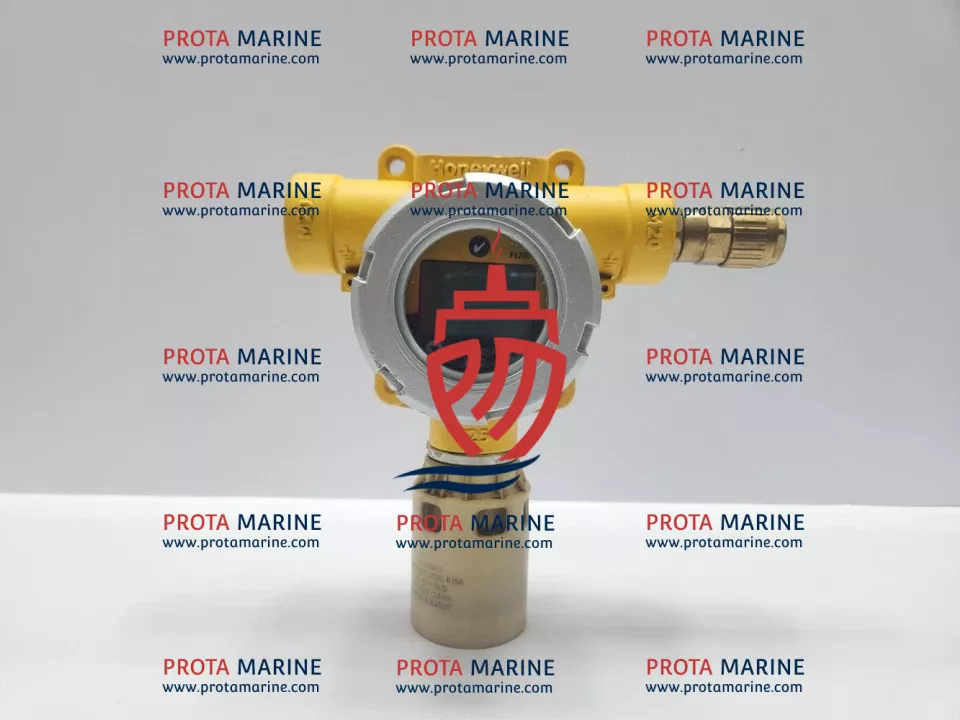
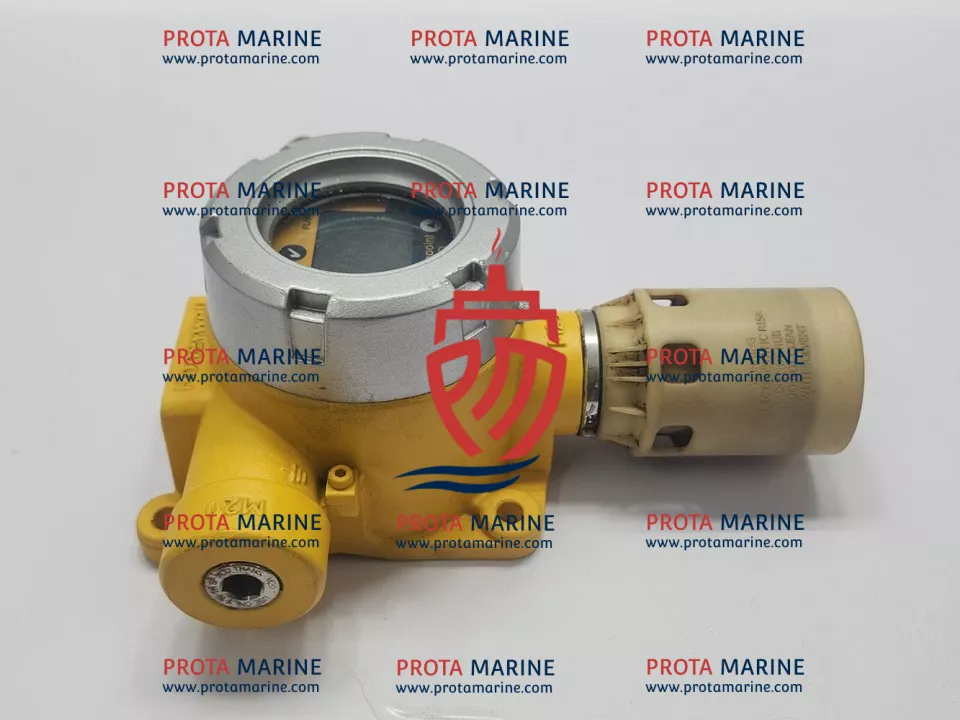
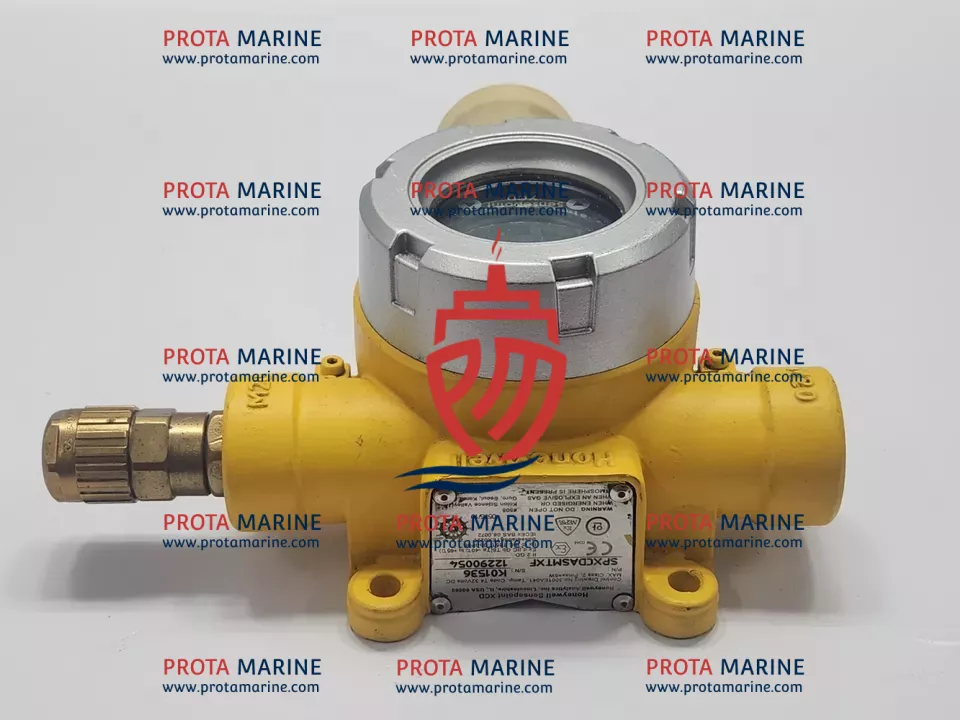

Description
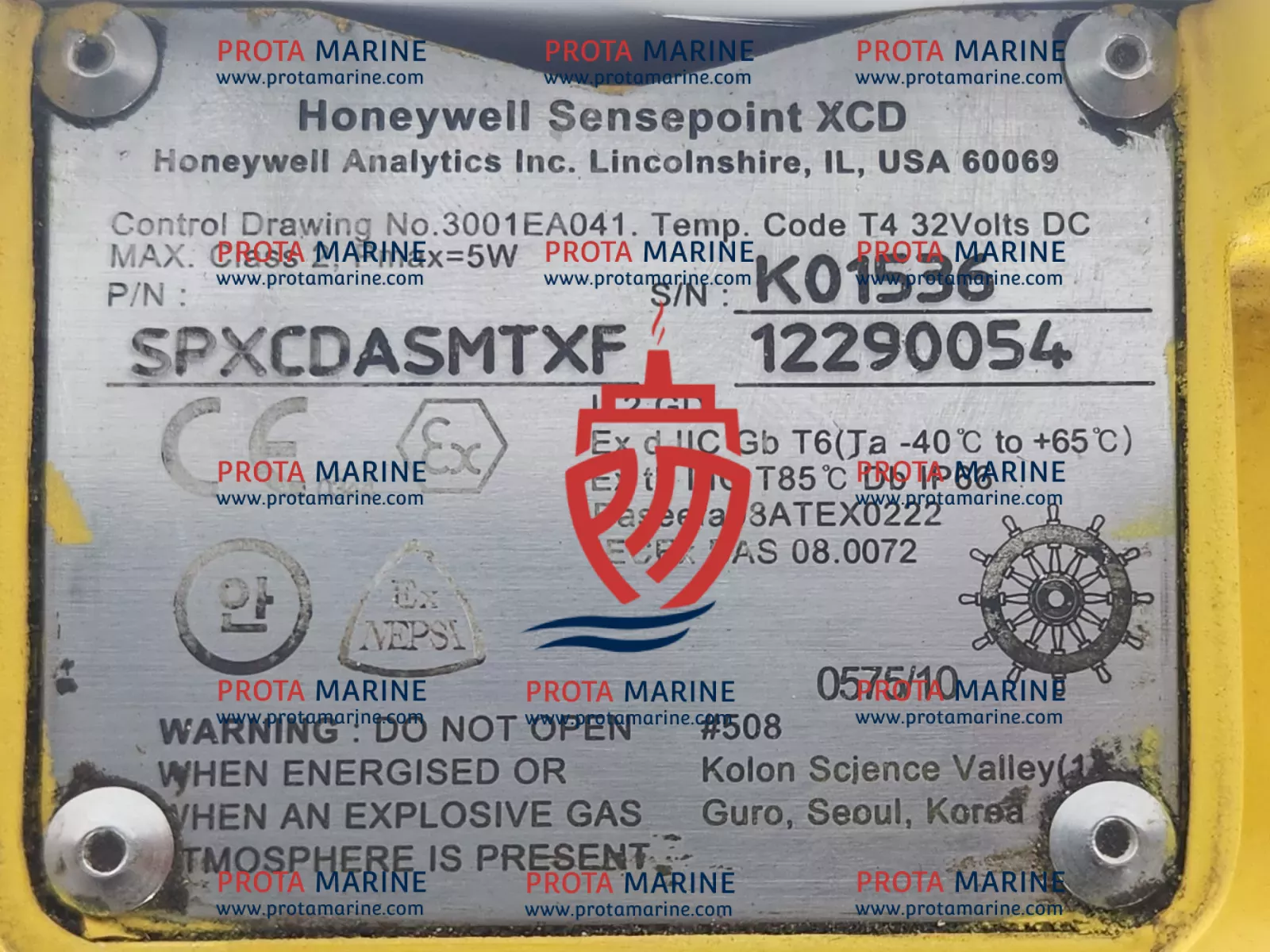
HONEYWELL ANALYTICS INC.
P/N: SPXCDASMTXF
SENSEPOINT XCD TRANSMITTER / SENSEPOINT XCD GAS DETECTOR
CONTROL DRAWING NO.: 3001EA041
TEMP.CODE: T4 32 VOLTS DC MAX, CLASS 2
PMAX=5W
0575/10
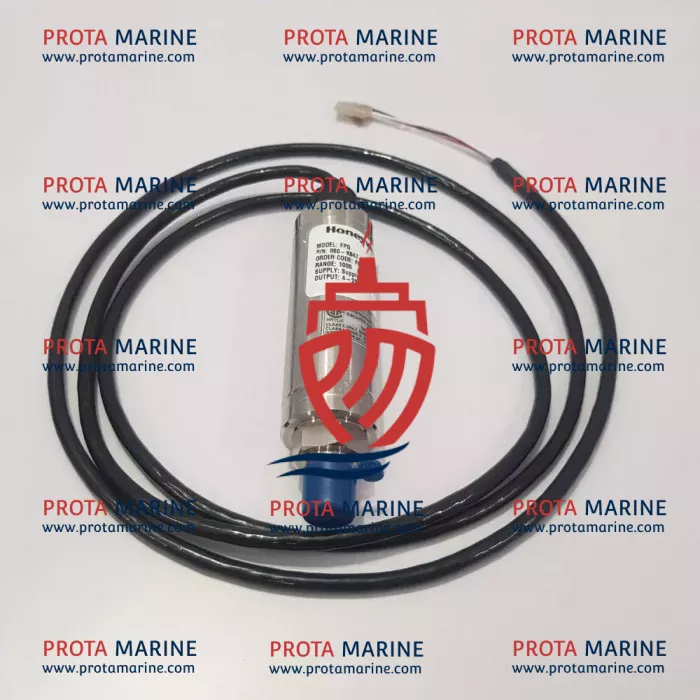
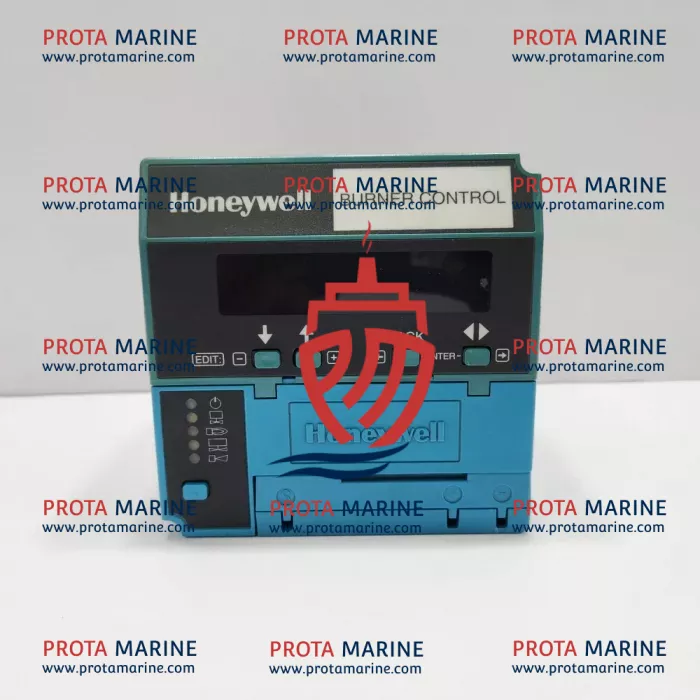
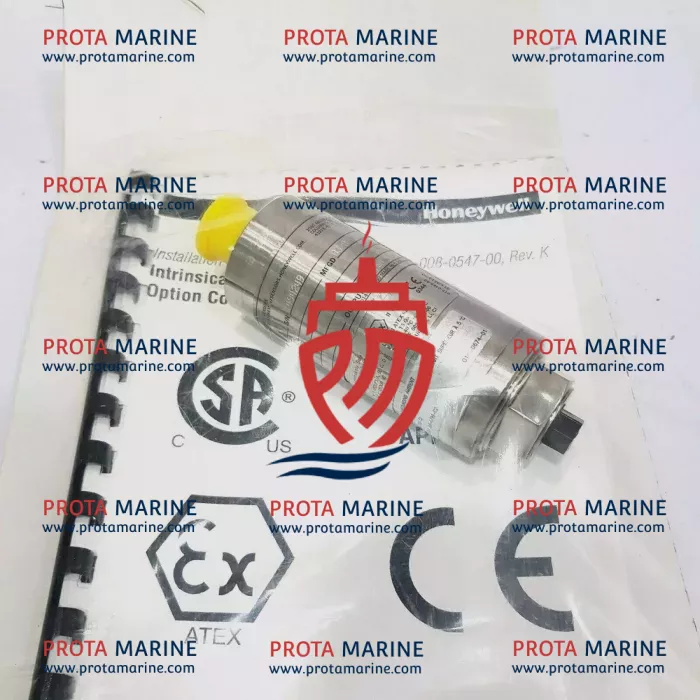
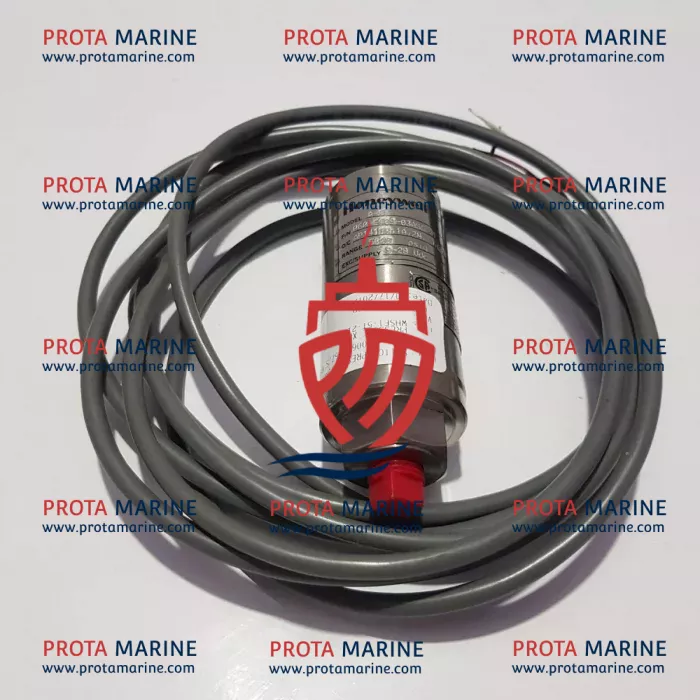
The Honeywell Sensepoint XCD Transmitter (part number SPXCDASMTXF) is a fixed-point gas detection transmitter designed for use within shipboard Gas Detection Systems. Operating at a maximum of 32 volts DC with a power rating of 5W and classified to Temperature Code T4, this transmitter is engineered to continuously monitor for hazardous gas concentrations in potentially explosive atmospheres. Onboard vessels, reliable gas detection is a critical layer of safety — protecting crew, cargo, and vessel integrity in spaces such as engine rooms, pump rooms, cargo holds, and other areas where flammable or toxic gases may accumulate. As part of the Sensepoint XCD platform by Honeywell Analytics, this transmitter forms a core component of a robust, field-proven detection architecture.
Key Features
✓ Fixed-point gas detection transmitter operating at 32V DC maximum with a maximum power consumption of 5W, classified to Temperature Code T4 as stated on the original nameplate data.
✓ Part of the Honeywell Sensepoint XCD platform — a widely deployed gas detection system designed for industrial and marine hazardous area applications, subject to system configuration confirmation.
✓ Suitable for installation in classified hazardous locations; Class 2 rating noted per original product data — exact zone/division applicability and certification scope should be confirmed against the control drawing (3001EA041) and vessel-specific requirements.
✓ Designed for integration into fixed gas detection control panels and monitoring systems; compatibility with specific controllers or panels is subject to confirmation based on the installed system configuration onboard.
✓ As a transmitter-type detector, replacement or servicing typically involves field wiring connections and sensor head alignment — commissioning and calibration following installation is recommended to verify correct operation.
Marine Applications
✓ Engine rooms and machinery spaces aboard tankers, bulk carriers, container vessels, and offshore support vessels where hydrocarbon or toxic gas monitoring is required.
✓ Pump rooms and cargo handling areas on chemical tankers and product tankers where flammable vapour detection is a continuous operational necessity.
✓ Accommodation and service spaces on passenger vessels and cruise ships where fixed gas detection systems are maintained in accordance with flag state and class society requirements.
✓ Offshore platforms, FPSOs, and drilling vessels requiring robust fixed-point gas detection across hazardous and semi-hazardous zones.
✓ Retrofit and upgrade projects aboard existing vessels replacing legacy Honeywell Sensepoint XCD transmitters as part of planned maintenance or gas detection system overhaul programmes.
Why Marine Engineers Choose
The Honeywell Sensepoint XCD platform is recognised for its reliable performance in demanding marine environments. Engineers select this transmitter for its established field record, compatibility within the XCD ecosystem, and suitability for hazardous area deployment — making it a dependable choice for maintaining continuous gas detection capability onboard.
Ideal For
Tankers, bulk carriers, container ships, passenger vessels, offshore support vessels, FPSOs, drilling units, and any commercial or offshore vessel operating a Honeywell Sensepoint XCD gas detection system requiring transmitter replacement or system expansion.
Technical Support & Compliance
Remote technical guidance, onboard commissioning support, integration assistance, and retrofit advice are available to help confirm suitability for your specific installation — subject to confirmation. To verify compatibility and ensure correct supply, buyers are encouraged to share nameplate photographs, the control drawing number (3001EA041), existing system model and software version, installed panel or controller details, vessel name, IMO number, and the full scope of work intended. Providing this information at the time of enquiry allows for accurate technical assessment and ensures the correct configuration is confirmed before supply.