
Description
DEIF A/S
ROLLS-ROYCE
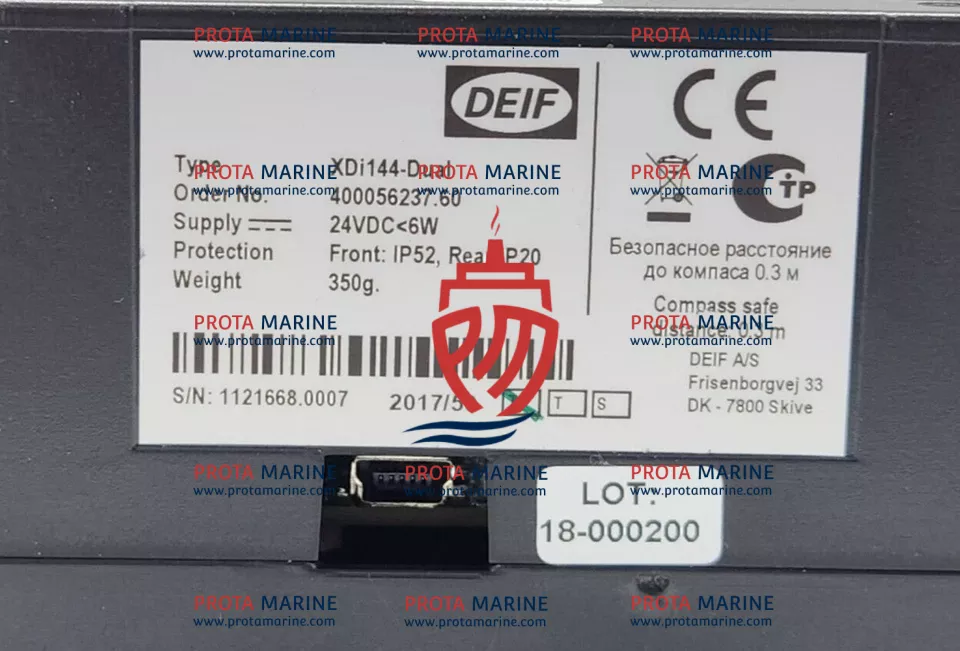
TYPE: XDI144-DUAL
FLEXIBLE DISPLAY BRIDGE INDICATOR
ORDER NO.: 400056237.60
UN31 STBD MP
ECR
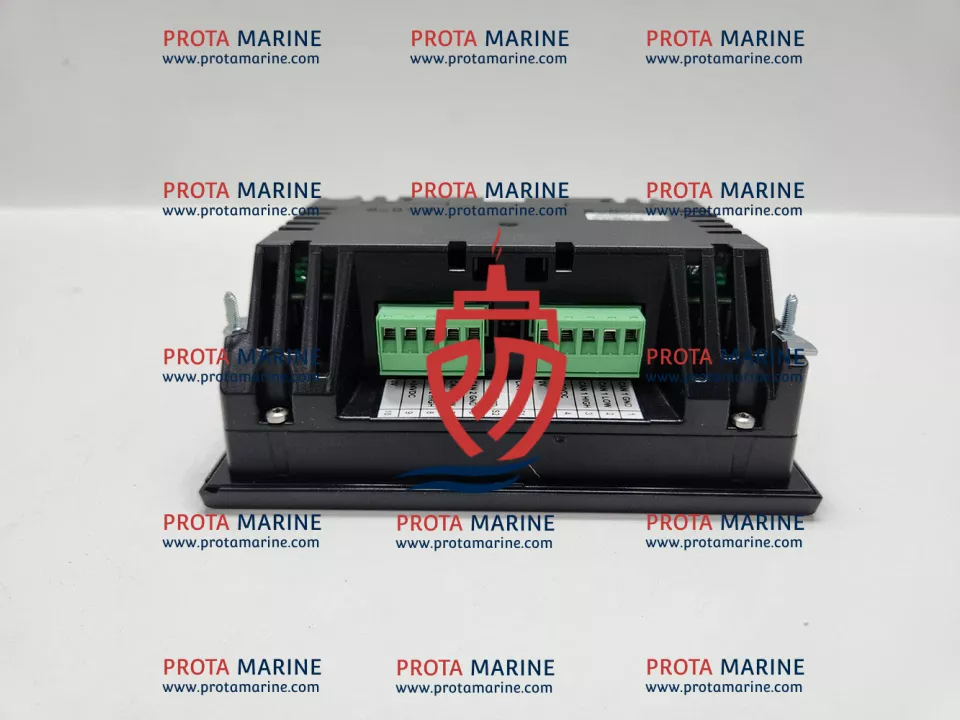
SUPPLY: 24VDC<6W
PROTECTION: FRONT: IP52, REAR IP20
WEIGHT: 350G
COMPASS SAFE DISTANCE: 0.3M
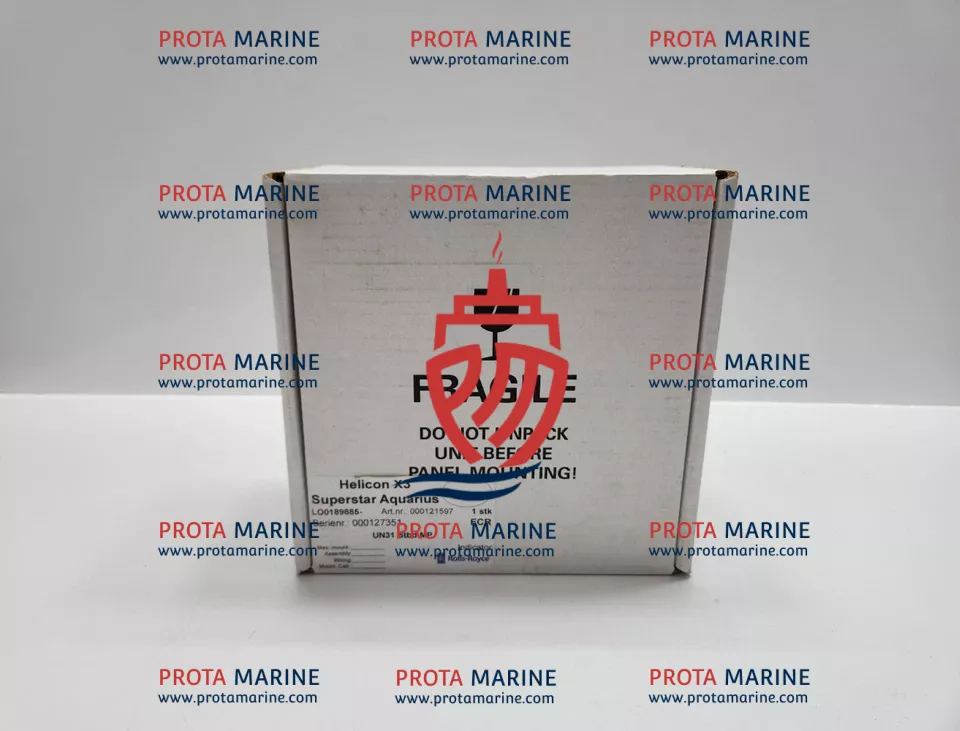
HELICON X3 SUPERSTAR AQUARIUS
ART NO.: 000121597
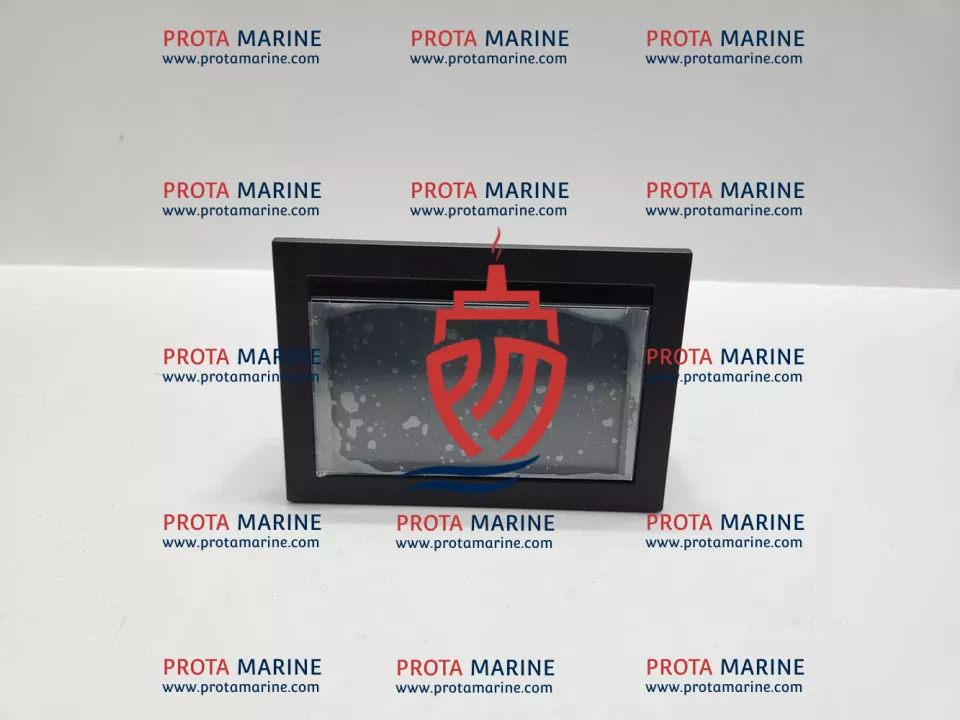
The DEIF XDi144-Dual is a flexible display bridge indicator designed for use within Rolls-Royce marine control systems, including the Helicon X3, Superstar, and Aquarius platform families. Forming part of a vessel’s Marine Control System infrastructure, this dual-channel display unit provides clear, reliable readout of operational parameters at the bridge or engine control room (ECR) station. Accurate, real-time indication at the command interface is critical for safe manoeuvring and propulsion control, making this component an essential element of integrated bridge and machinery monitoring arrangements.
Key Features
✓ Dual-channel flexible display format, supporting simultaneous indication of multiple parameters within a single panel-mount unit — Order No. 400056237.60, Art No. 000121597.
✓ Operates on a 24VDC supply drawing less than 6W, making it compatible with standard vessel DC distribution; front panel protection rated to IP52 and rear to IP20, suitable for bridge and ECR environments.
✓ Compatible with Rolls-Royce Helicon X3, Superstar, and Aquarius marine control platforms — configuration and channel mapping subject to confirmation against the specific system version installed.
✓ Weighing 350g with a compass safe distance of 0.3m, the unit is designed for panel or console flush-mounting in navigation and machinery control spaces where magnetic interference must be managed.
✓ Intended as a direct replacement or spare within existing Rolls-Royce control system installations; system software version and hardware revision compatibility should be verified prior to fitting.
Marine Applications
✓ Bridge and wheelhouse control consoles on vessels equipped with Rolls-Royce Helicon X3, Superstar, or Aquarius integrated propulsion and manoeuvring control systems.
✓ Engine Control Room (ECR) operator stations requiring dual-parameter display indication for propulsion, thruster, or auxiliary machinery monitoring.
✓ Offshore support vessels, platform supply vessels (PSVs), and anchor handling tugs (AHTVs) fitted with Rolls-Royce dynamic positioning and propulsion management systems.
✓ Cruise vessels, ferries, and RoPax vessels where multi-station bridge indicator networks are installed as part of integrated machinery control architecture.
✓ Retrofit and upgrade projects replacing ageing or damaged display indicators within existing DEIF or Rolls-Royce control panel assemblies, subject to system compatibility confirmation.
Why Marine Engineers Choose
The DEIF XDi144-Dual is a purpose-engineered bridge indicator built to the reliability standards expected of Rolls-Royce marine control platforms. Its dual-display flexibility, low power draw, and established compatibility with major Rolls-Royce control families make it a trusted replacement component for vessels where display accuracy and system continuity are operationally critical.
Ideal For
Offshore support vessels, PSVs, AHTVs, ferries, RoPax vessels, cruise ships, and any commercial or specialised vessel operating Rolls-Royce Helicon X3, Superstar, or Aquarius marine control systems requiring bridge or ECR display indicator replacement or sparing.
Technical Support & Compliance
Remote troubleshooting guidance, commissioning support, and integration assistance are available to help confirm suitability and assist with installation. Compatibility with the target control system, panel assembly, and software version is subject to confirmation. To verify fitment, buyers are advised to provide nameplate photographs, the full order and art numbers, system model and software version, panel or console drawings where available, and vessel name or IMO number. Repair, retrofit, and upgrade scopes can be discussed based on the specific installation requirements — all technical claims regarding compatibility are subject to confirmation against actual onboard system documentation.