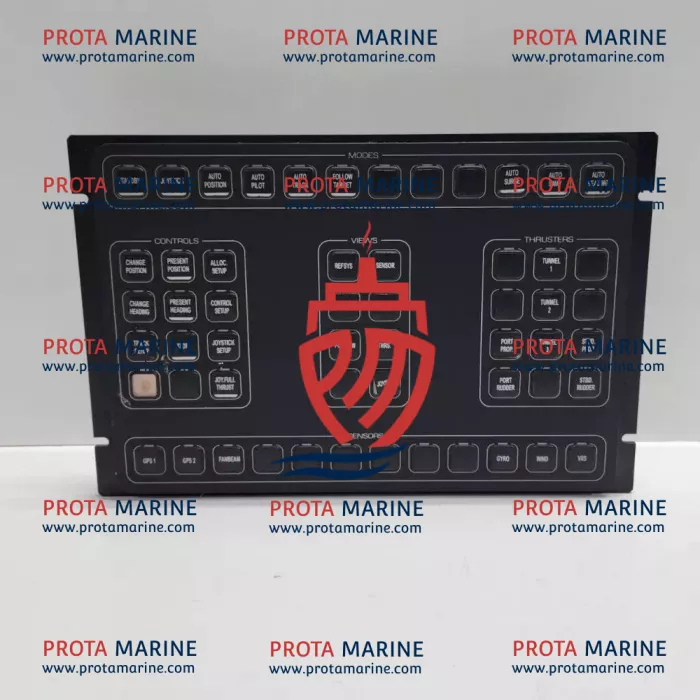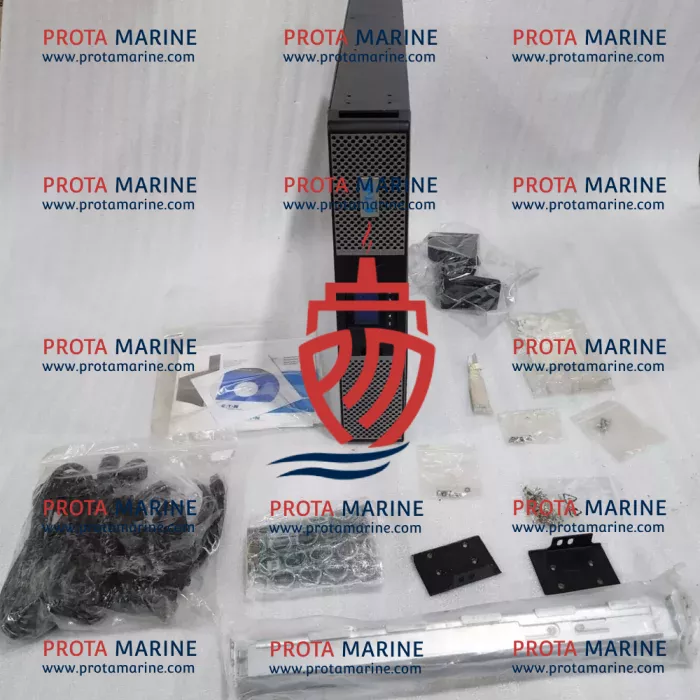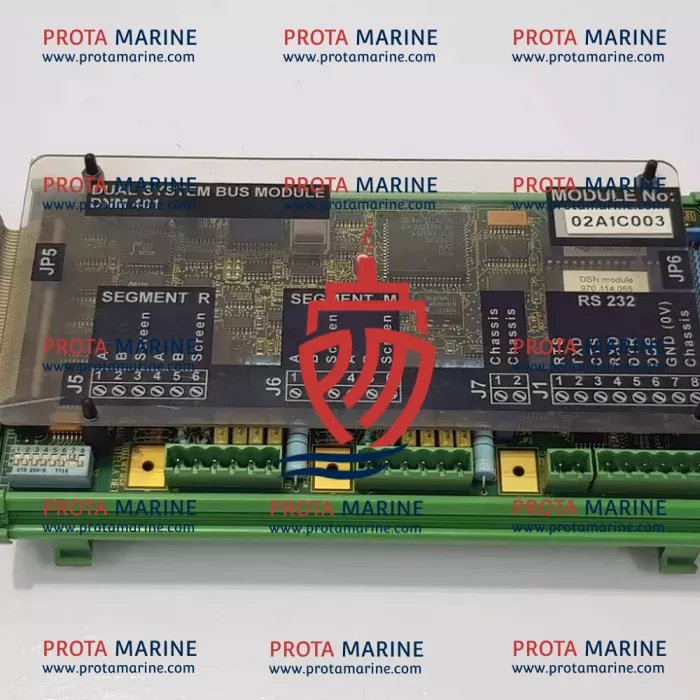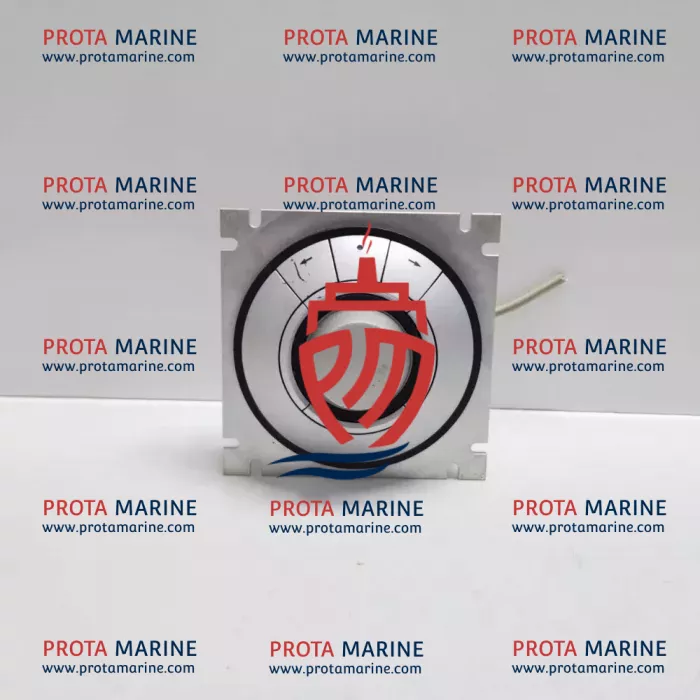
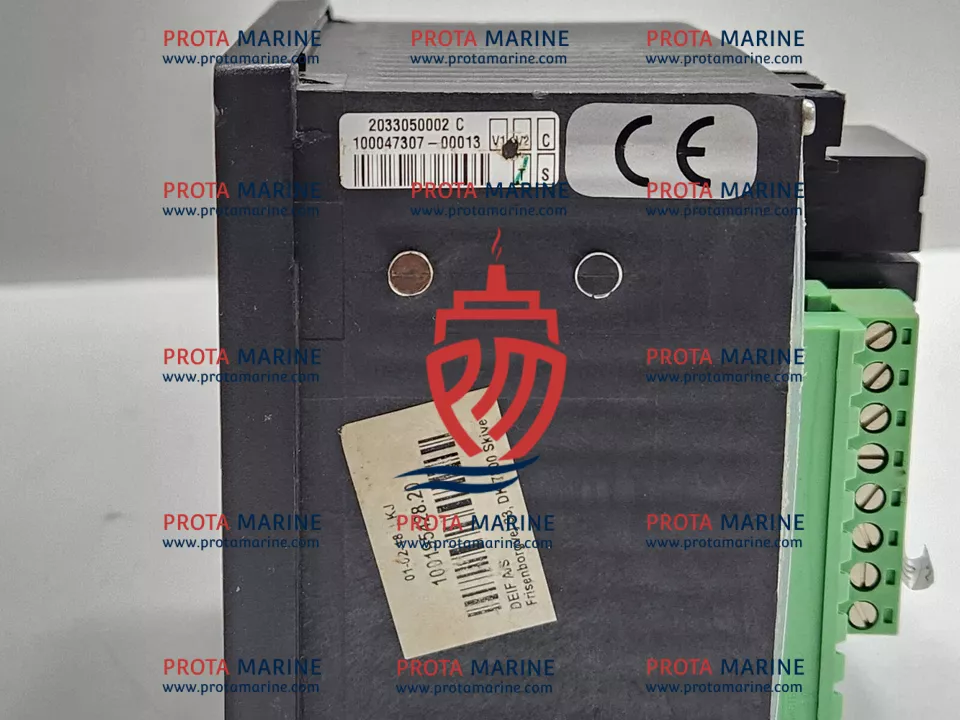

Description
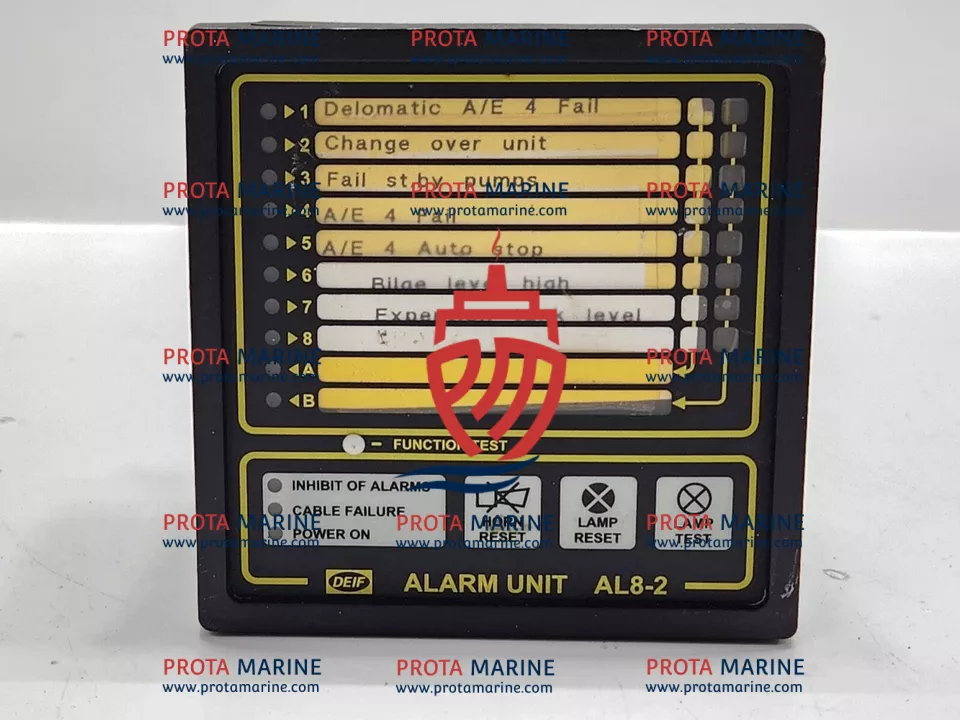
DEIF
AL8-2
ALARM UNIT
100195428.20
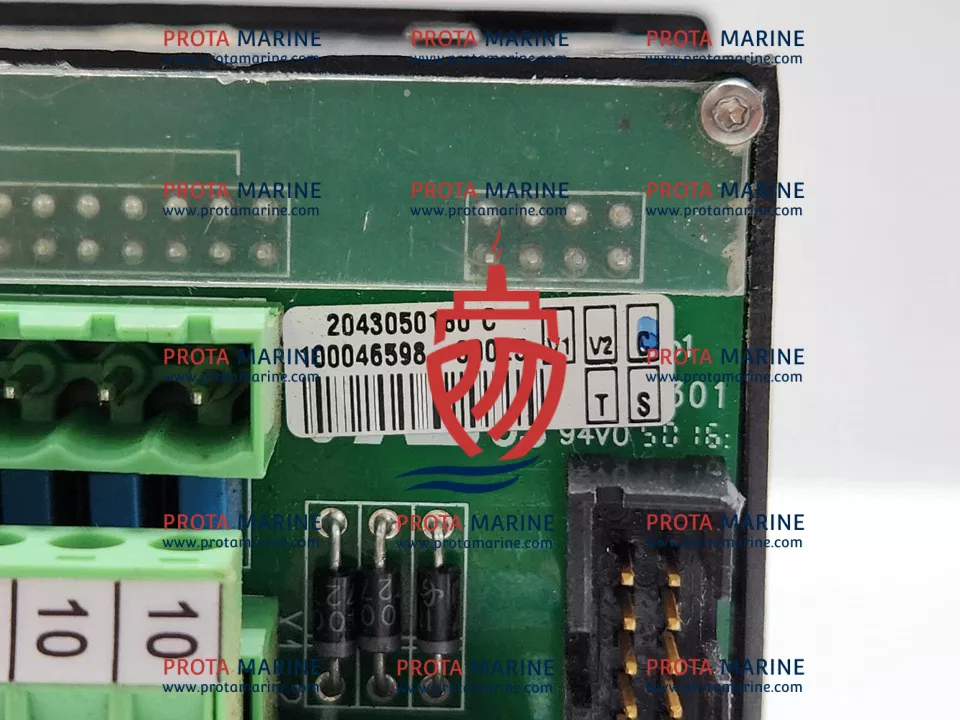
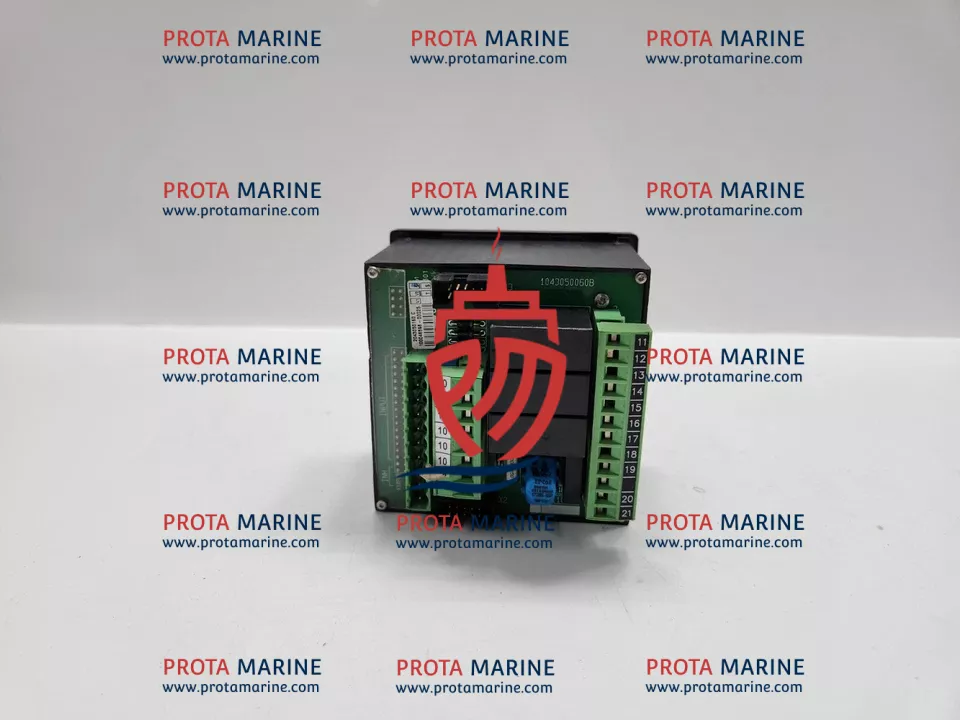
1043050060B
2043050160 C
2033050002 C
1000495698-00025
100047307-00013
12-48VDC
110VDC
The DEIF AL8-2 is a dedicated alarm unit forming part of DEIF’s modular alarm and monitoring platform, designed for use within marine control systems onboard commercial and working vessels. Functioning as an alarm annunciator and signal processing module, the AL8-2 monitors connected input channels and provides clearly defined alarm outputs to support safe vessel operation. As a core component of shipboard alarm management infrastructure, it plays a critical role in ensuring that engineering and bridge teams receive timely alerts for machinery, power, and auxiliary system faults. Its multi-voltage compatibility — supporting 12–48 V DC and 110 V DC supplies as indicated in the product data — makes it adaptable across a range of installation environments.
Key Features
✓ Functions as a dedicated alarm annunciator module within DEIF’s AL-series modular alarm system, processing input signals and generating alarm outputs for onboard monitoring networks.
✓ Supports a supply voltage range of 12–48 V DC and 110 V DC, as referenced in the product data, offering flexibility across different vessel power distribution configurations — exact electrical parameters subject to confirmation against unit nameplate.
✓ Designed for integration within DEIF alarm and control panel assemblies; compatibility with specific panel configurations, expansion modules, or supervisory systems should be confirmed against installation drawings and system version.
✓ Suitable for installation in machinery control rooms, engine rooms, and switchboard panels typical of marine environments; mounting arrangement and environmental protection rating should be verified for the specific installation context.
✓ Replacement of alarm units such as the AL8-2 is a recognised service activity during planned maintenance, system upgrades, or fault rectification — ensuring continuity of the vessel’s alarm monitoring capability in line with class and SOLAS requirements.
Marine Applications
✓ Engine room alarm and monitoring systems on merchant vessels, where continuous surveillance of machinery parameters is required to meet class society and flag state obligations.
✓ Power management and generator control panels on offshore support vessels, platform supply vessels, and anchor handling tugs requiring reliable alarm annunciation across multiple channels.
✓ Integrated bridge and machinery alarm systems on ferries, ro-ro vessels, and passenger ships where centralised alarm management is essential for SOLAS compliance.
✓ Auxiliary systems monitoring on bulk carriers, tankers, and container ships, covering bilge, fire detection interfaces, ballast, and cargo handling alarm loops.
✓ Retrofit and upgrade projects on existing vessels where ageing alarm units require direct replacement to maintain system integrity and regulatory compliance.
Why Marine Engineers Choose
DEIF alarm modules are widely specified across the marine and offshore sectors for their reliability, modular architecture, and ease of integration within existing control system frameworks. The AL8-2 is a recognised component within this ecosystem, supporting maintainable and scalable alarm management solutions across vessel types and operational profiles.
Ideal For
Merchant vessels, offshore support vessels, tankers, bulk carriers, ferries, passenger ships, fishing vessels, and any commercial or working vessel operating DEIF-based alarm and control systems requiring alarm unit maintenance or replacement.
Technical Support & Compliance
Technical assistance is available to support troubleshooting, onboard fault diagnosis, testing, commissioning, and integration of this alarm unit within existing DEIF control system installations. Retrofit and upgrade support can also be provided subject to system assessment. Repair services may be available depending on fault type and unit condition. To confirm compatibility and ensure the correct unit is supplied for your application, buyers are encouraged to share nameplate photographs, all relevant part numbers, panel drawings or wiring schematics, the system model and software version, vessel name, IMO number, and the specific scope of work. All compatibility and technical suitability assessments are subject to confirmation based on the information provided.