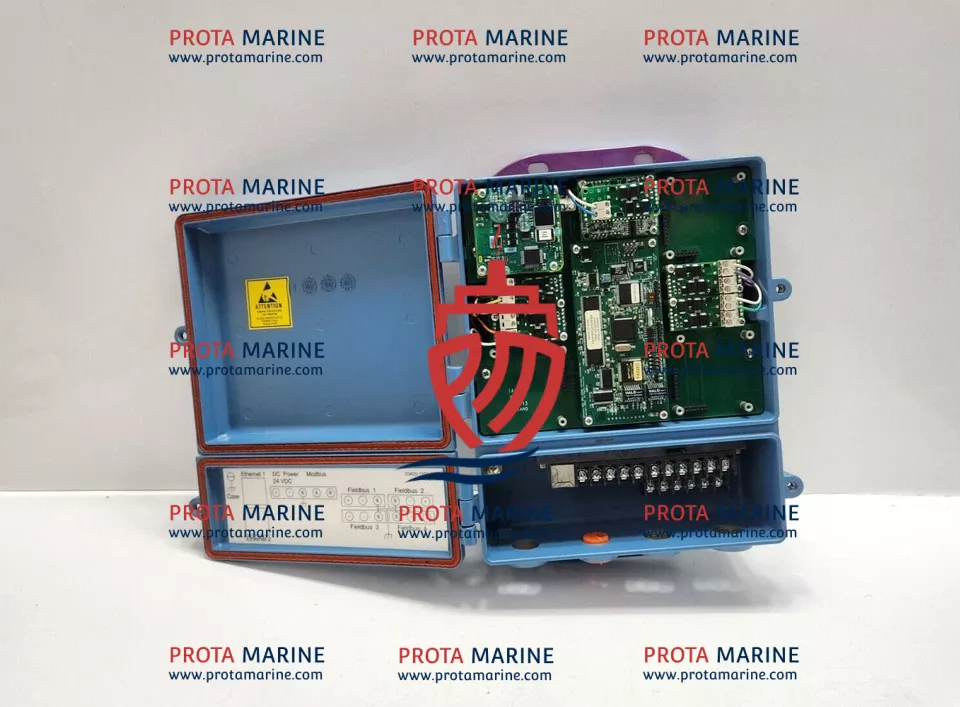
Description
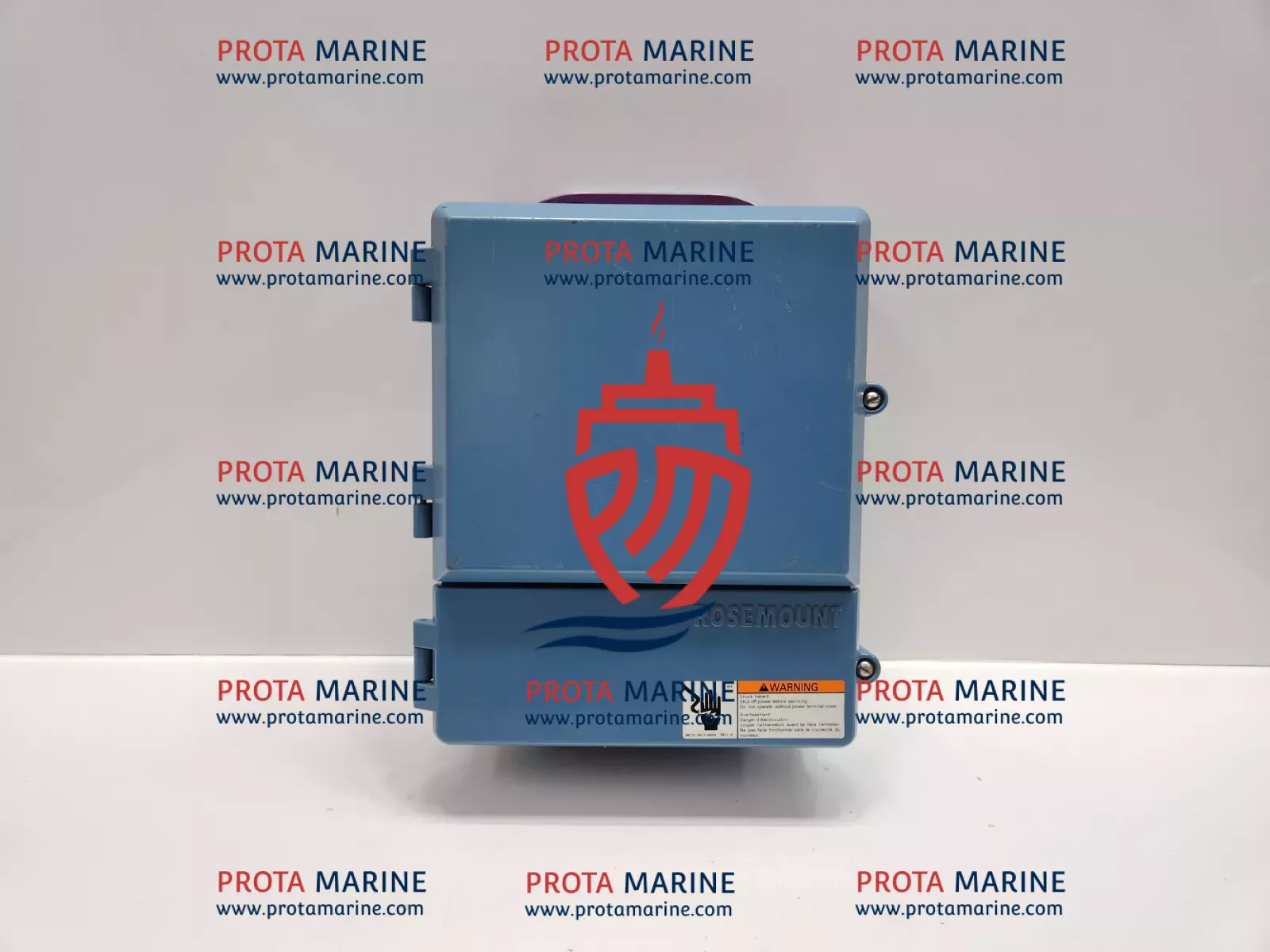
ROSEMOUNT
MODEL: 3420A1A1A0N1
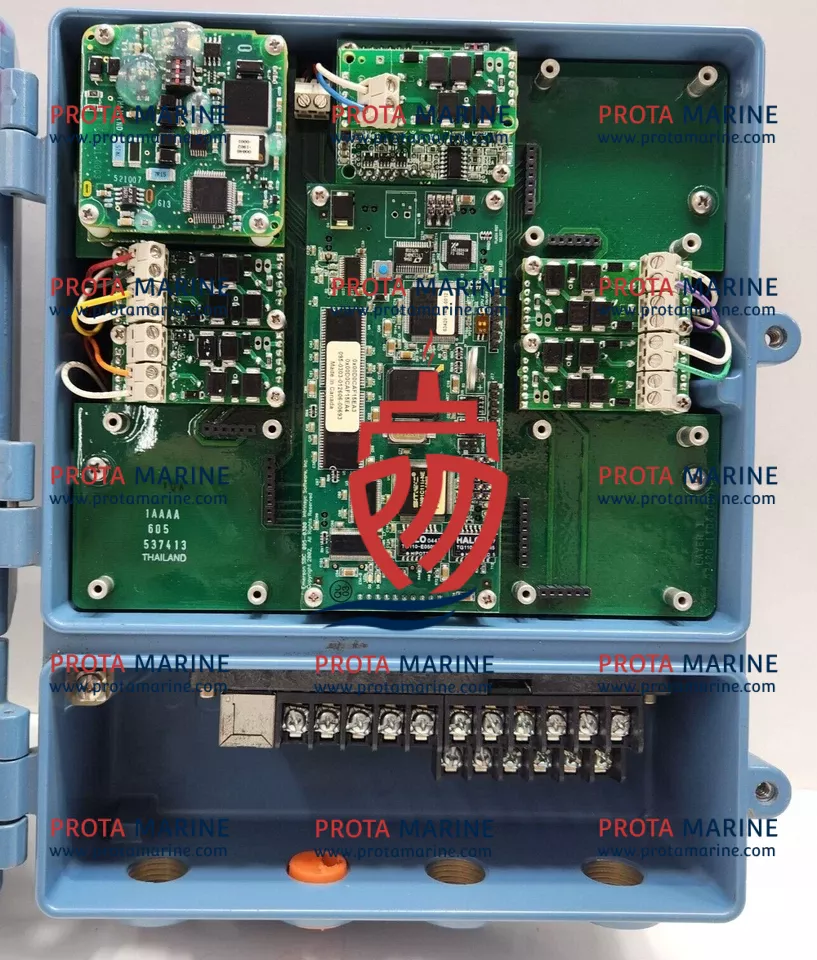
FIELDBUS INTERFACE MODULE
SUPPLY: 24 VOLTS DC 2 AMPS DC
03420-1502-0001 REV.: AA
03420-1509-0002 REV.: AA
UI=28 VDC MAXIMUM
03420-1512-0001 REV.: AC
The Rosemount 3420A1A1A0N1 is a Fieldbus Interface Module designed to serve as a communication gateway between Foundation Fieldbus instrument networks and host control or monitoring systems. Within a marine control system environment, this module plays a critical role in enabling reliable data exchange between field-mounted instruments — such as pressure, temperature, and flow transmitters — and the vessel’s central automation infrastructure. Its correct operation is essential for maintaining accurate process visibility, alarm integrity, and automated control functions onboard.
Key Features
✓ Functions as a fieldbus-to-host interface, enabling seamless communication between Foundation Fieldbus segments and supervisory control or data acquisition systems in marine automation environments.
✓ Rated for 24 VDC supply at 2 A DC with a maximum input voltage (UI) of 28 VDC, as stated on the nameplate — all other electrical and environmental specifications are subject to confirmation based on assembly revision and configuration.
✓ Compatible with Rosemount fieldbus-enabled instrumentation networks; integration with specific host controllers, DCS platforms, or vessel automation systems should be confirmed against the installed system version and network architecture.
✓ Suitable for installation in protected control room or instrument panel enclosures onboard; mounting arrangement and environmental rating to be confirmed against vessel drawings and the applicable assembly revision (REV.: AA / AC).
✓ Replacement or retrofit of this module requires careful attention to firmware revision, network segment configuration, and host system compatibility — buyers are advised to verify against existing system documentation prior to installation.
Marine Applications
✓ Integrated into Foundation Fieldbus instrument loops on tankers, bulk carriers, and offshore support vessels where distributed sensor networks feed into centralised automation systems.
✓ Used in engine room automation systems to interface fieldbus-connected transmitters monitoring fuel, lube oil, cooling water, and exhaust gas parameters with the vessel’s control and alarm platform.
✓ Applied in cargo monitoring and management systems aboard chemical tankers and LNG carriers where precise, network-based instrument communication is operationally critical.
✓ Found in process control panels on offshore platforms and FPSOs where Rosemount fieldbus instrumentation is integrated with DCS or SCADA host systems.
✓ Utilised during retrofit and upgrade projects where ageing serial or analogue instrument networks are migrated to digital fieldbus architectures across a range of vessel types.
Why Marine Engineers Choose
Marine engineers and automation superintendents specify the Rosemount Fieldbus Interface Module for its role as a dependable communication backbone within fieldbus-enabled control systems — ensuring instrument data reaches the host platform accurately, supporting predictive maintenance workflows and reducing unplanned downtime at sea.
Ideal For
Tankers, bulk carriers, container vessels, offshore support vessels, FPSOs, offshore platforms, and any vessel or installation operating Foundation Fieldbus instrument networks within a Rosemount-based marine automation or process control system.
Technical Support & Compliance
Remote and onboard technical support is available to assist with identification, testing, commissioning, and integration of this module into existing fieldbus network architectures. Retrofit and upgrade guidance can be provided subject to confirmation of the installed system configuration. To confirm compatibility and ensure correct supply, buyers are encouraged to share nameplate photographs, assembly revision details, relevant part numbers, host system model and firmware version, network segment drawings, and vessel name or IMO number where applicable. All compatibility and suitability assessments are subject to confirmation based on the information provided.